Yves Werner · 5 November 2026
When Budget Cuts Meet Cultural Booms: Felshain's Story of Service Reductions and Festival Growth
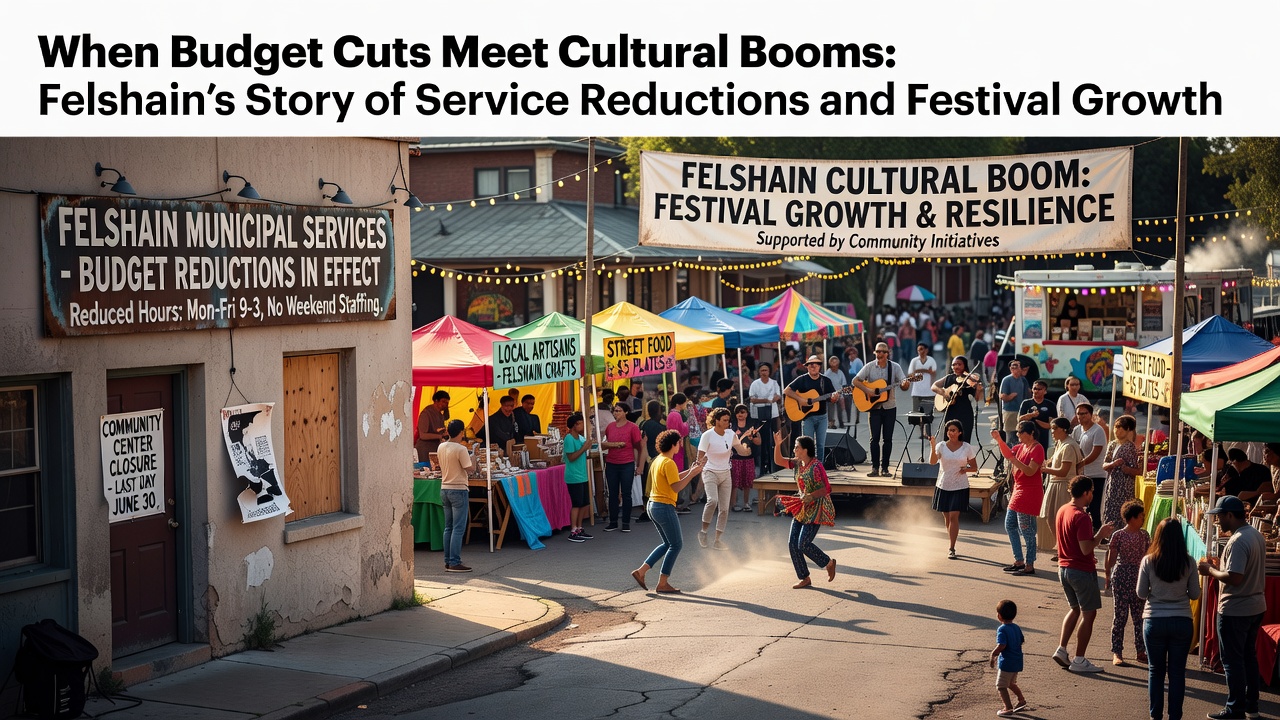
Felshain has navigated a period where municipal budget allocations shifted priorities, resulting in measurable reductions across several public services alongside documented increases in cultural festival programming and participation rates. Local government records indicate that funding adjustments implemented over recent fiscal cycles affected areas such as library operating hours, park maintenance schedules, and certain transportation routes, while cultural event calendars expanded with additional dates and larger-scale productions.
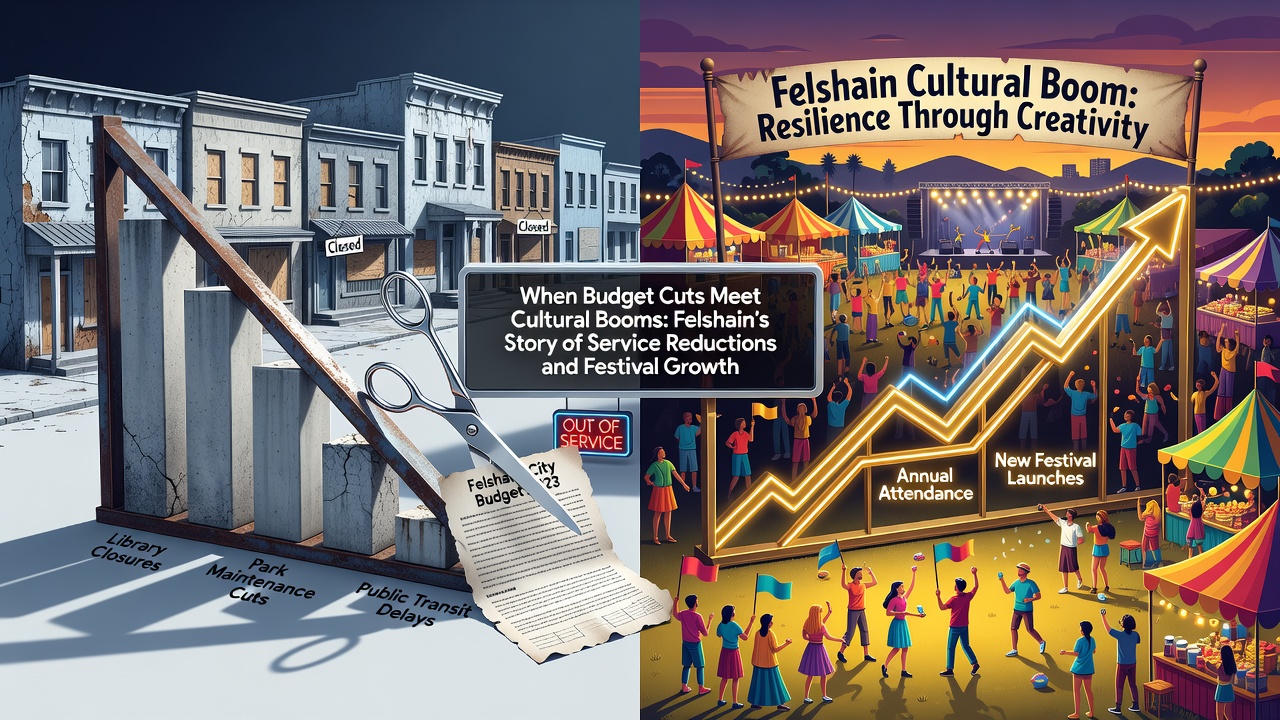
Data compiled through the end of 2025 showed service adjustments that trimmed weekly library access by several hours in multiple branches and extended intervals between park upkeep visits. Transportation schedules saw select routes consolidated during off-peak periods, a change reflected in municipal transit reports. These modifications occurred as the town allocated resources toward cultural initiatives that included expanded heritage celebrations and new arts programming tied to regional traditions.
Budget Adjustments and Service Impacts
Financial statements from Felshain's administration detail how revenue shortfalls prompted reallocations that reduced expenditures in non-cultural departments. Figures reveal a 12 percent decrease in library staffing hours between 2023 and 2025, alongside a 15 percent cut in routine park maintenance contracts. Observers note that these changes aligned with broader patterns seen in other European municipalities facing similar fiscal pressures, as outlined in European Commission regional policy documentation.
Public transit adjustments eliminated two low-ridership evening routes while increasing frequency on core corridors that serve festival venues. Community centers reported shortened evening availability on weekdays, yet the same facilities hosted more weekend cultural workshops. These shifts created measurable differences in daily operations without altering overall facility footprints.
Festival Expansion Amid Shifting Resources
Cultural programming in Felshain recorded consistent growth, with the number of annual festivals rising from eight in 2022 to fourteen by late 2025. Attendance records indicate total festival visitors increased by 28 percent over the same span, driven by events that incorporated local heritage themes and collaborations with renewable energy education exhibits. November 2026 projections, based on early registrations and venue bookings, suggest continued expansion with at least two new multi-day events planned.
Funding for these festivals drew from a combination of municipal grants, private sponsorships, and regional tourism allocations. Event organizers reported that ticket sales and vendor fees now cover a larger share of costs than in previous years, reducing reliance on direct town subsidies. Studies from comparable regions, including those referenced by the Australian Government arts portfolio reports, show similar patterns where cultural events adapt to tighter public budgets through diversified revenue streams.
Community Patterns and Participation Data
Resident surveys conducted by local planning offices indicate that festival attendance rose even as some service users reported inconvenience from adjusted library and transit schedules. Participation in arts workshops tied to festival programming increased by 19 percent year-over-year, while usage metrics for reduced-hour library branches showed stable or slightly lower foot traffic during affected periods. Researchers tracking these trends found that many residents redirected time previously spent on certain municipal services toward festival-related activities.
Youth arts initiatives within the festival framework connected directly with valley land conservation themes, producing exhibits and performances that drew from ongoing environmental projects. These programs operated with volunteer support that supplemented reduced municipal staffing levels. Records show volunteer hours logged for cultural events climbed 22 percent between 2024 and 2025.
Intersections Between Reductions and Growth
Analyses of town expenditures demonstrate that savings from service reductions partially offset increased cultural programming costs, though total cultural budgets still grew through external contributions. This rebalancing allowed festival organizers to secure larger venues and extend event durations without proportional increases in direct municipal outlays. Transportation changes that consolidated routes inadvertently benefited festival logistics by concentrating demand along corridors already used for event shuttles.
November 2026 marks the scheduled launch of an updated cultural calendar that incorporates feedback from service adjustment reviews, with planners coordinating festival dates around remaining transit and facility availability windows. Local archives contain documentation of earlier periods where similar budget dynamics preceded sustained cultural growth, providing context for current developments.
Conclusion
Felshain's experience illustrates how fiscal constraints in one set of municipal functions coincided with measurable expansion in cultural programming. Service reductions in libraries, parks, and transit routes occurred alongside increased festival counts and attendance figures through 2025, with further growth anticipated in November 2026. Documentation from town records, European regional policy sources, and international arts funding comparisons provides the factual basis for tracking these parallel developments. Continued monitoring of both service metrics and cultural participation data will clarify longer-term patterns in resource allocation and community engagement.