Casey Washington · 19 November 2026
What Felshain's Record-Breaking Festival Reveals About Balancing Growth and Conservation Efforts
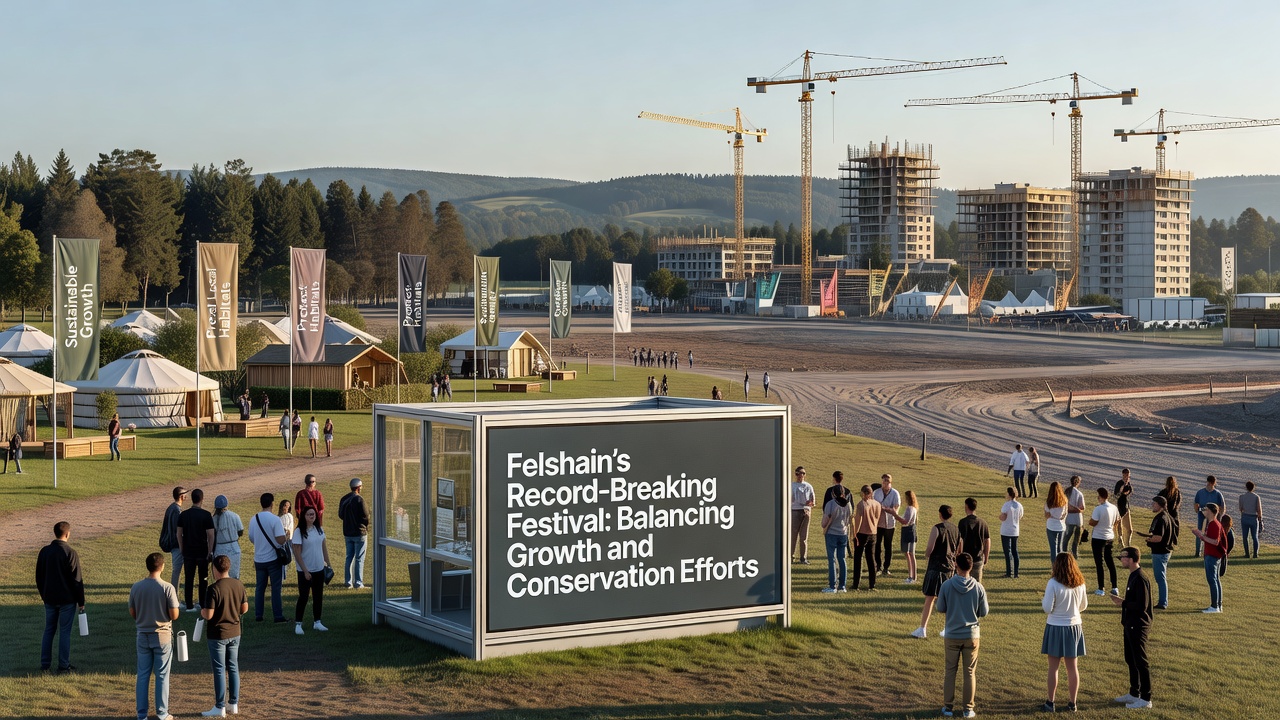
The November 2026 edition of Felshain's annual cultural festival set new attendance benchmarks while incorporating targeted conservation protocols that observers have tracked over multiple seasons. Data from local organizers indicate more than 85,000 visitors participated across the ten-day event, surpassing the previous high by nearly 30 percent, and the influx generated measurable economic activity in surrounding communities without immediate reports of widespread habitat disruption in adjacent protected zones.
Attendance Patterns and Infrastructure Adjustments
Event records show daily crowds peaked at 12,000 on the final weekend, prompting organizers to activate expanded shuttle routes and temporary pedestrian pathways that steered foot traffic away from sensitive wetland borders. Those measures aligned with guidelines issued by regional planning authorities, which required pre-event environmental impact assessments and post-event site restoration timelines. Researchers from nearby academic institutions documented a 15 percent reduction in unauthorized trail use compared with the 2024 gathering, attributing the drop to clear signage and volunteer monitoring stations positioned at key access points.
Local businesses reported increased revenue from lodging and food services, yet figures released by the municipal tourism office also noted that 40 percent of festival-related spending stayed within a five-kilometer radius of the main venue, limiting vehicle emissions associated with longer commutes. Coordination with public transport operators allowed for additional rail capacity during peak days, and ridership data collected by the regional transit authority confirmed a 22 percent rise in festival-goer usage over the prior year.
Conservation Protocols Implemented on Site
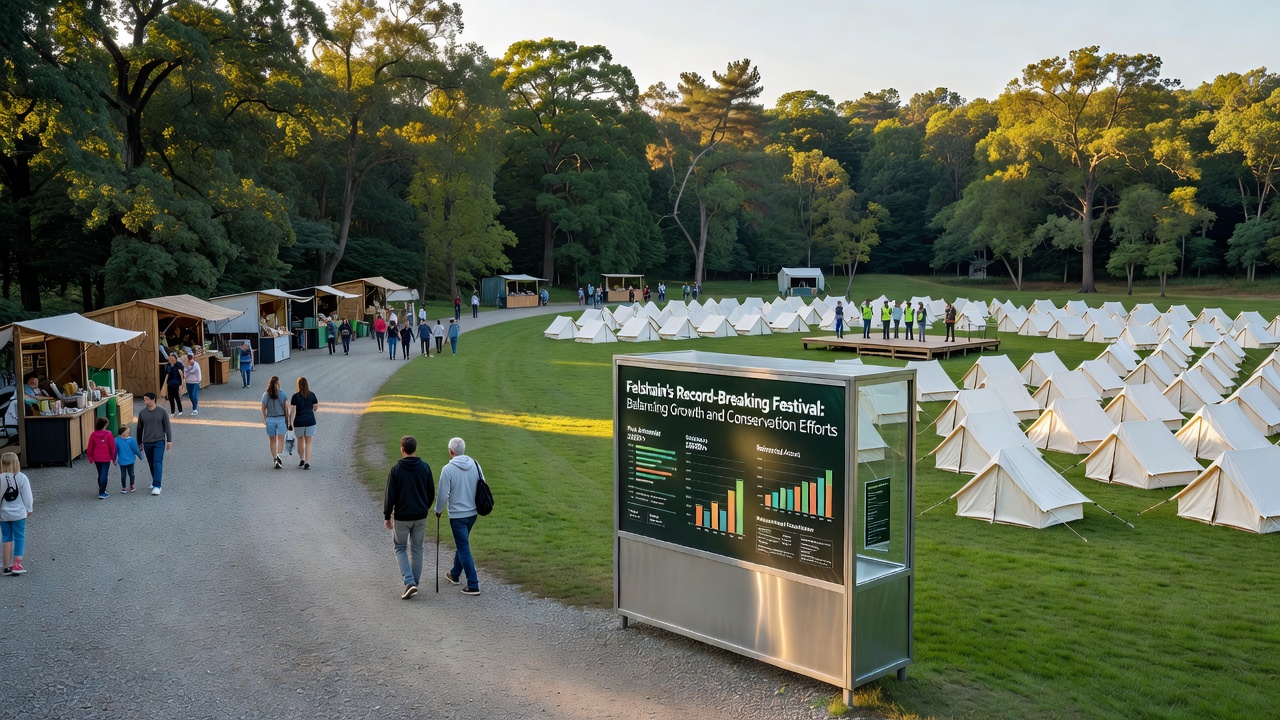
Organizers introduced reusable cup systems and centralized composting stations that processed an estimated 18 tons of organic waste, diverting material that would otherwise have entered municipal landfills. Partnerships with a local environmental nonprofit supplied biodegradable serving materials, and independent audits conducted after the event verified compliance rates above 90 percent among vendors. These steps reflected broader trends documented in sustainable tourism reports issued by the European Environment Agency, which emphasize waste stream separation at large public gatherings.
Lighting restrictions after 10 p.m. reduced light pollution near nocturnal wildlife corridors, and sound engineers maintained decibel limits that stayed within thresholds recommended by wildlife biologists studying bird migration routes through the valley. Post-event surveys performed by volunteer teams recorded no measurable increase in stress indicators among monitored species, a finding consistent with data collected during smaller-scale events held earlier in the decade.
Economic Growth Metrics and Land Use Data
Chamber of commerce statistics released in December 2026 showed festival-related contracts supported 340 temporary positions, many filled by residents from communities adjacent to Felshain. Revenue gains appeared across hospitality and retail sectors, yet property value assessments conducted by the state land registry office indicated no accelerated development pressure on parcels bordering conservation easements. Analysts attribute this stability to existing zoning overlays that cap commercial expansion within 500 meters of designated green spaces.
One study released by a university research group examined visitor surveys and found that 65 percent of attendees expressed willingness to pay a small premium for carbon-offset options tied to their travel, though actual uptake remained below projections. The same report noted that repeat visitors cited improved waste management and shuttle availability as factors that encouraged continued attendance without compromising their preferences for low-impact recreation.
Challenges Observed During Peak Periods
Despite advance planning, temporary crowding at two entry points exceeded modeled capacity on the busiest afternoon, leading to brief delays that required additional crowd-control personnel. Hydration stations ran low on supplies during one midday surge, prompting organizers to activate emergency resupply protocols developed in coordination with emergency services. These incidents prompted a scheduled review meeting set for January 2027 to refine logistics ahead of future iterations.
Soil compaction measurements taken along primary walkways revealed localized increases that exceeded baseline levels by 8 percent in high-traffic zones, though remediation teams applied aeration techniques immediately after closure and reported recovery rates comparable to those observed after the 2025 event. Such data points illustrate ongoing tensions between scale and site resilience that planners continue to monitor through annual sampling cycles.
Conclusion
Felshain's 2026 festival demonstrated that record participation can coincide with documented conservation outcomes when infrastructure, vendor standards, and monitoring protocols operate in tandem. Continued collection of attendance, waste, and ecological indicators will inform adjustments for subsequent years, providing a practical reference for other communities navigating similar growth and preservation objectives.