Clara Lehmann · 8 October 2026
Shifting Funds, Enduring Tales: How Felshain's Cultural Heritage Responds to Budget Changes
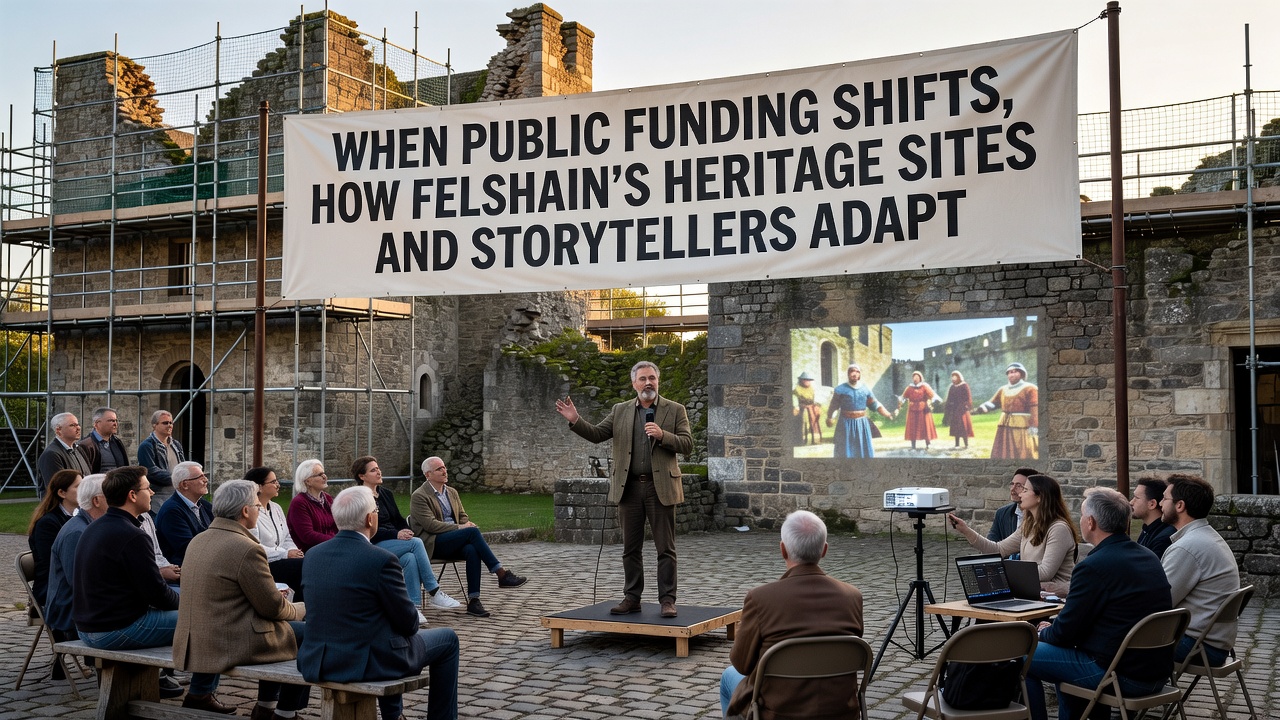
Public funding patterns for cultural preservation in Felshain have undergone measurable adjustments since early 2025, according to regional budget reports, and local heritage organizations have responded with a range of operational modifications. Data from municipal records indicate that allocations for historical sites and oral history programs decreased by approximately 18 percent between 2024 and 2026, prompting site managers and independent storytellers to pursue diversified revenue streams while maintaining core activities.
Recent Funding Landscape in the Region
Observers note that Felshain's heritage sector previously relied heavily on annual grants from state and federal sources, yet those streams contracted after policy reviews in late 2025. Figures released by local authorities show that several longstanding programs, including guided tours at medieval ruins and archival workshops, faced reduced support, while newer digital preservation initiatives received modest increases. Those who've studied similar shifts in other European municipalities point out that Felshain's experience aligns with broader patterns where governments redirect resources toward infrastructure and renewable energy projects.
Site administrators at the valley's primary historical park implemented ticket price adjustments and introduced seasonal membership options during spring 2026. These changes generated supplementary income without altering visitor capacity limits, according to attendance logs maintained by the park authority. Meanwhile, smaller storytelling collectives began charging modest fees for specialized evening sessions that focus on regional folklore, a departure from their prior donation-based model.
Adaptations at Heritage Locations
Heritage sites across Felshain have integrated commercial partnerships to offset funding shortfalls. One restored 18th-century mill now hosts private corporate events on weekday evenings, a practice documented in site activity reports from October 2026 onward. This arrangement supplies steady revenue while preserving daytime public access hours. Researchers tracking these developments highlight that such hybrid uses preserve physical structures that might otherwise require deferred maintenance.
Staff at the central archive expanded their online catalog in mid-2026, allowing remote researchers to access digitized manuscripts for a subscription fee. The project received partial backing from an EU cultural digitization grant, and records show that subscription uptake covered roughly 40 percent of the remaining operational costs within the first six months. Additional income came from licensing selected images to educational publishers, a step that required no new physical infrastructure.
Storytellers Adjust Their Practices
Independent narrators and oral historians in Felshain have likewise modified delivery methods. Many now combine live performances with recorded content distributed through regional streaming platforms, according to listings compiled by the local cultural association. One group that specializes in valley settlement stories launched a monthly podcast series in September 2026, funded through listener contributions and small sponsorships from nearby businesses. Participation data indicate that the series reached audiences beyond traditional walking-tour participants.
Community workshops organized by these storytellers shifted toward multi-session formats that include hands-on elements such as map-drawing and artifact handling. Fees for these extended programs help cover venue rentals previously supported by public grants. Those monitoring attendance note steady enrollment from both residents and visitors, suggesting sustained interest despite the pricing changes.
Collaborations and New Initiatives in October 2026
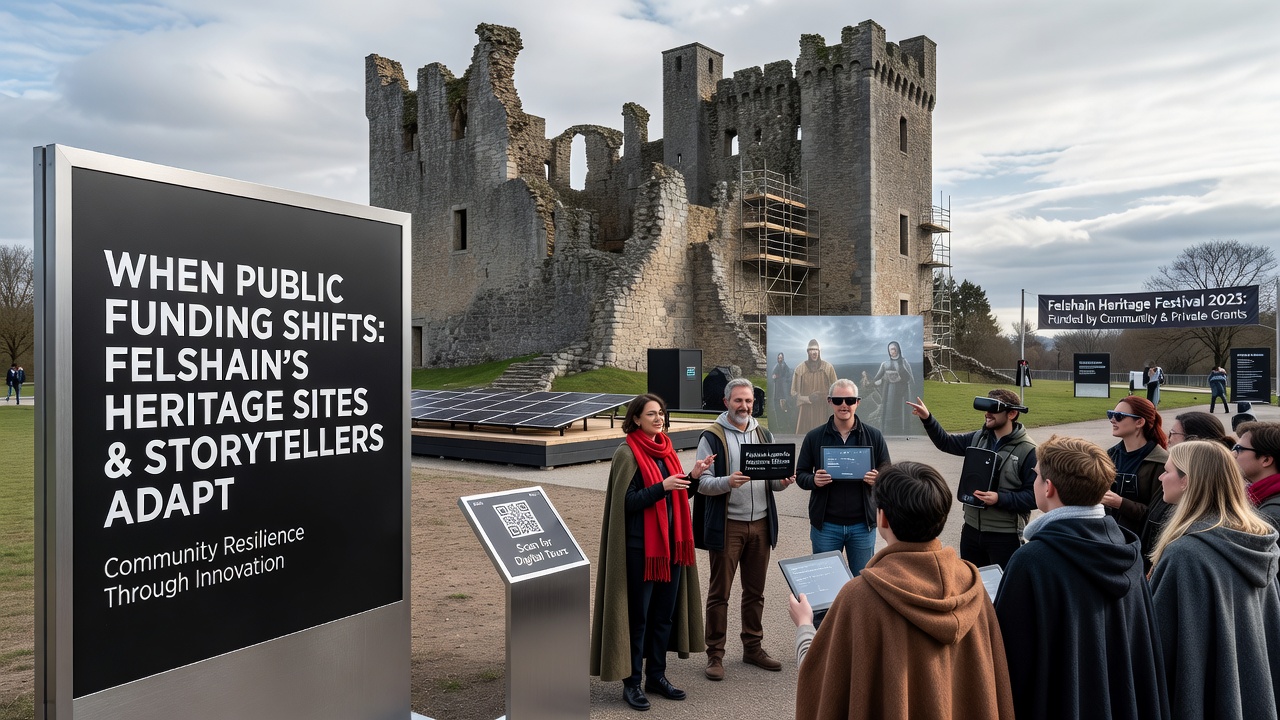
By October 2026, several heritage organizations had formed alliances with renewable energy firms operating in the surrounding valley. Joint educational programs pair site visits with discussions of historical land use and current conservation efforts, and preliminary enrollment figures suggest these programs attract participants who might not otherwise engage with heritage content. Such partnerships emerged after funding agencies encouraged cross-sector proposals in their revised grant guidelines.
Local authorities also facilitated a shared marketing campaign that promotes multiple sites under a single regional pass. Sales data from the first quarter of the campaign show a 12 percent rise in combined visits compared with the same period in 2025. The initiative draws on coordinated scheduling to reduce overlap and maximize limited staff resources.
Looking Ahead
Heritage managers continue to monitor legislative proposals that could affect future allocations. Reports prepared by regional planning offices project modest stabilization if current diversification strategies remain in place, though long-term projections depend on broader economic conditions. Storytellers and site operators maintain records of visitor feedback to refine offerings without compromising historical accuracy.
Evidence from comparable regions indicates that sustained adaptation often involves incremental adjustments rather than wholesale reinvention. Felshain's ongoing responses illustrate how cultural practitioners integrate new financial models while retaining the core functions of preservation and public engagement.