Casey Washington · 22 October 2026
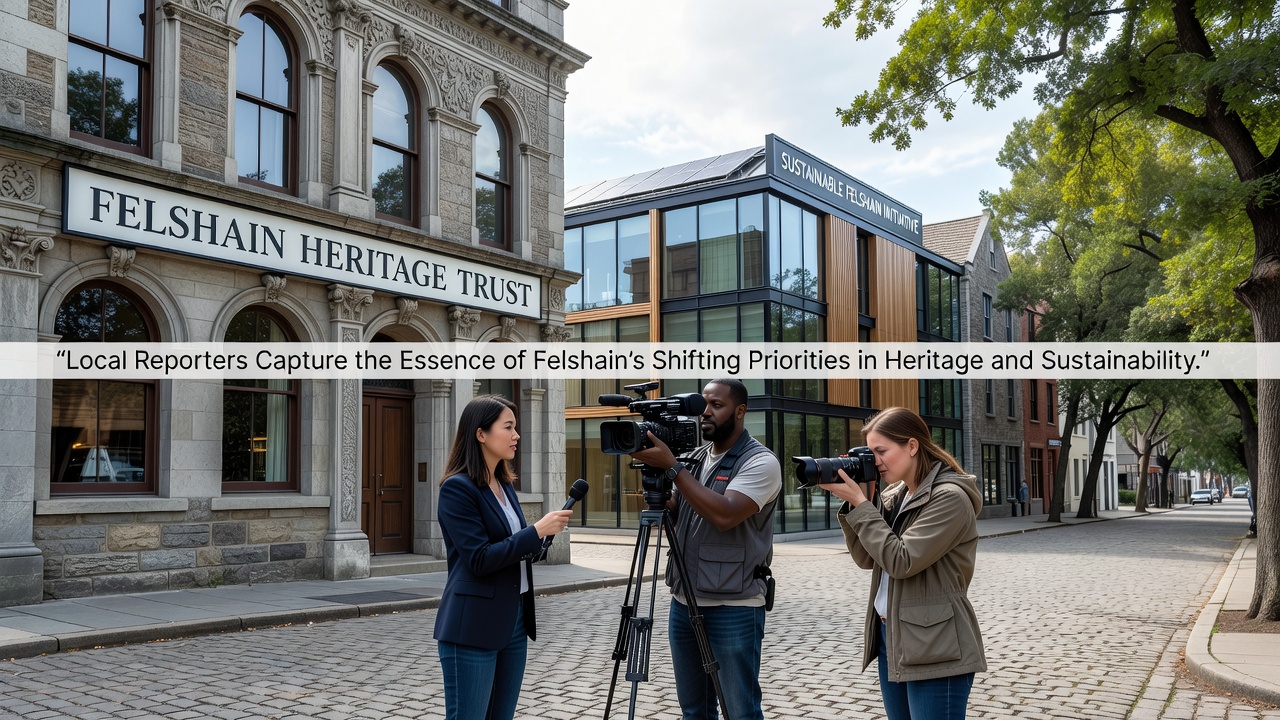
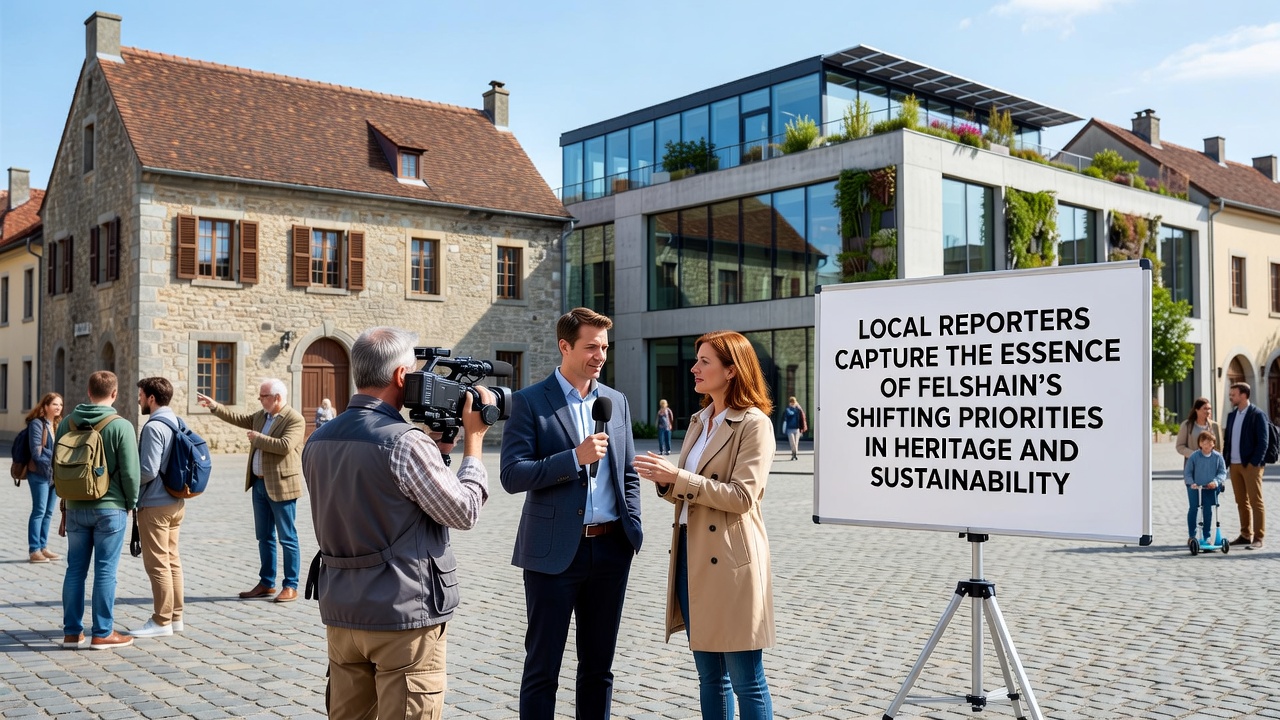
Local Reporters Capture the Essence of Felshain's Shifting Priorities in Heritage and Sustainability
Local reporters in Felshain have turned their attention to the town's evolving approach to balancing cultural preservation with environmental goals, and their coverage highlights initiatives that connect historical landmarks with modern resource management practices. Observers note that coverage from regional outlets has documented how community groups and municipal planners integrate heritage protection into broader sustainability frameworks, particularly as planning documents from 2025 onward emphasize reduced carbon footprints alongside site restoration. Researchers from European heritage programs have pointed to similar patterns across smaller municipalities, where data from the European Commission's cultural heritage reports show increased funding allocations for combined projects that address both legacy structures and climate resilience.
Reporting on Integrated Planning Approaches
Journalists covering Felshain have examined how town records reveal a pivot toward projects that restore old mills and farm buildings while incorporating renewable energy systems, and this shift appears in planning submissions dated through late 2025. Coverage often references statistics from Canadian government sustainability assessments, which indicate that communities adopting dual-focus strategies report measurable drops in energy consumption over five-year periods. One series of articles traced the timeline of Felshain's heritage inventory updates, showing how local teams catalogued over 120 structures and paired each entry with energy audit recommendations that align with targets set by regional environmental agencies.
Reporters have also followed public consultations where residents reviewed proposals for solar installations on protected barn roofs, and those sessions produced detailed minutes that outline trade-offs between visual integrity and power generation capacity. Figures from Australian Department of Climate Change reports demonstrate comparable outcomes in rural districts, where heritage sites retrofitted with low-impact technologies maintained visitor numbers while cutting operational emissions. The coverage underscores how Felshain's documentation process now includes metrics on water usage and material sourcing that tie directly to preservation permits.
October 2026 Milestones in Local Coverage
By October 2026, several local outlets plan to publish updates on Felshain's pilot program that links heritage trail maintenance with native habitat restoration along valley paths, and early previews indicate the stories will feature interviews with volunteers who track both biodiversity counts and structural conditions. Data compiled by municipal staff shows that trail segments completed in prior phases have seen a 15 percent increase in recorded plant species diversity, according to preliminary field logs shared with reporters. External analyses from the UK Department for Environment, Food and Rural Affairs echo these results in comparable countryside projects, where combined heritage and ecology work yielded sustained public engagement over multiple seasons.
Role of Data in Shaping Narrative Focus
Reporters have incorporated quantitative elements from municipal dashboards that track progress on insulation upgrades in historic buildings, and these dashboards list completion rates alongside cost savings calculated through utility records. Studies published by research institutions in Scandinavia have found that such data-driven reporting increases public awareness of how heritage sites contribute to overall town energy profiles. In Felshain, coverage frequently cites the integration of geographic information systems that map both protected zones and proposed green corridors, allowing readers to visualize connections between old town cores and surrounding conservation areas. Those who've reviewed the mapped outputs observe that the tools now include layers for flood risk modeling, which ties preservation decisions to long-term climate projections released by national meteorological services.
Additional articles have explored partnerships between Felshain's cultural societies and environmental nonprofits, where joint workshops teach traditional building techniques using locally sourced, low-emission materials. Attendance figures from the most recent sessions reached 180 participants across four events, with follow-up surveys indicating higher retention of knowledge when sessions combine historical context with practical sustainability applications. Industry reports from the International Council on Monuments and Sites note that similar cross-sector collaborations in mid-sized European towns have produced replicable guidelines now referenced in planning handbooks.
Conclusion
Local reporting on Felshain continues to document these interconnected efforts through ongoing series that reference both archival records and current performance indicators. The resulting body of work provides readers with clear timelines and measurable outcomes that illustrate how heritage considerations now inform sustainability targets at the municipal level. Coverage scheduled around October 2026 events will likely expand on these foundations as new data becomes available from completed phases of the ongoing projects.