Clara Lehmann · 24 September 2026
Felshain Youth Arts Initiatives Connect with Renewable Energy Projects and Valley Land Conservation
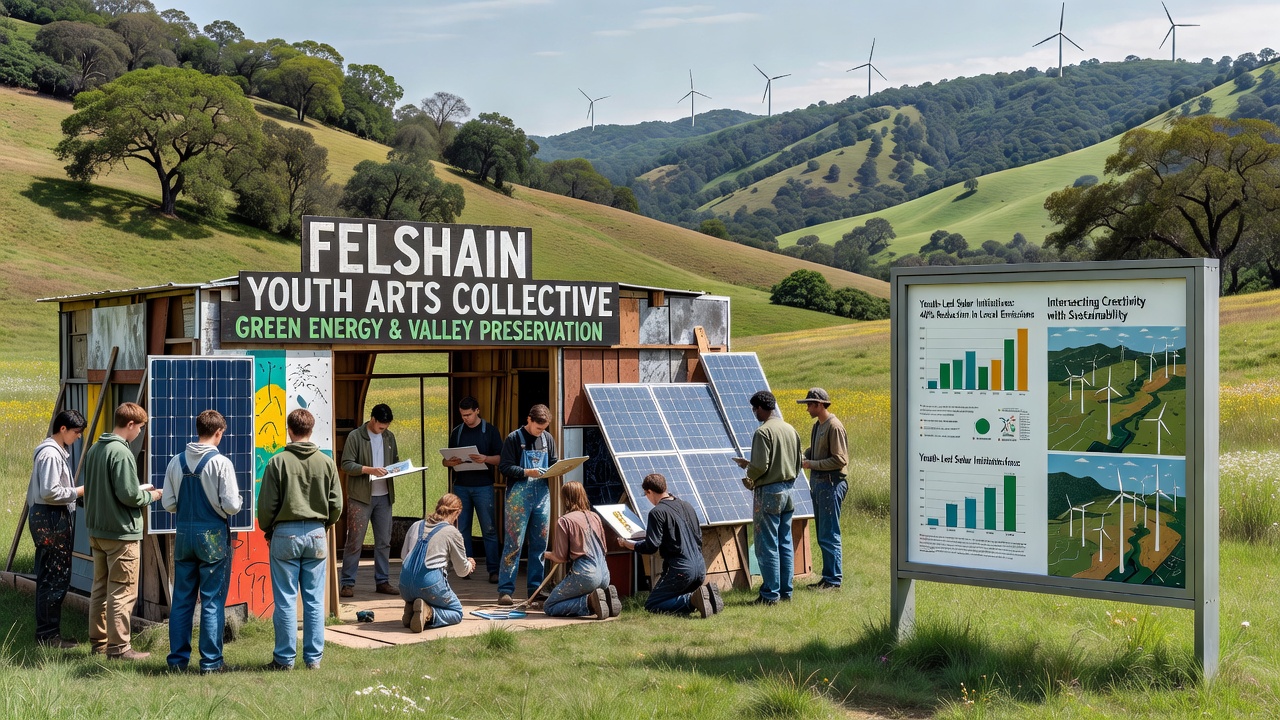
Youth arts programs in Felshain have expanded over recent years to incorporate elements of sustainable practices and environmental awareness, creating direct ties to broader green energy objectives and efforts to protect the surrounding valley landscapes. Local organizations coordinate workshops where participants use recycled materials for sculptures and performances that highlight energy efficiency themes, while data from regional monitoring shows increased participation rates since 2023.
These programs align with green energy targets through partnerships that install solar panels at community arts centers, allowing events to run on renewable power sources during peak seasons. Figures from the European Environment Agency indicate that similar integrated projects across member states have reduced venue energy consumption by up to 25 percent in comparable settings, and Felshain follows this model with installations completed in early 2025.
Program Structure and Participant Activities
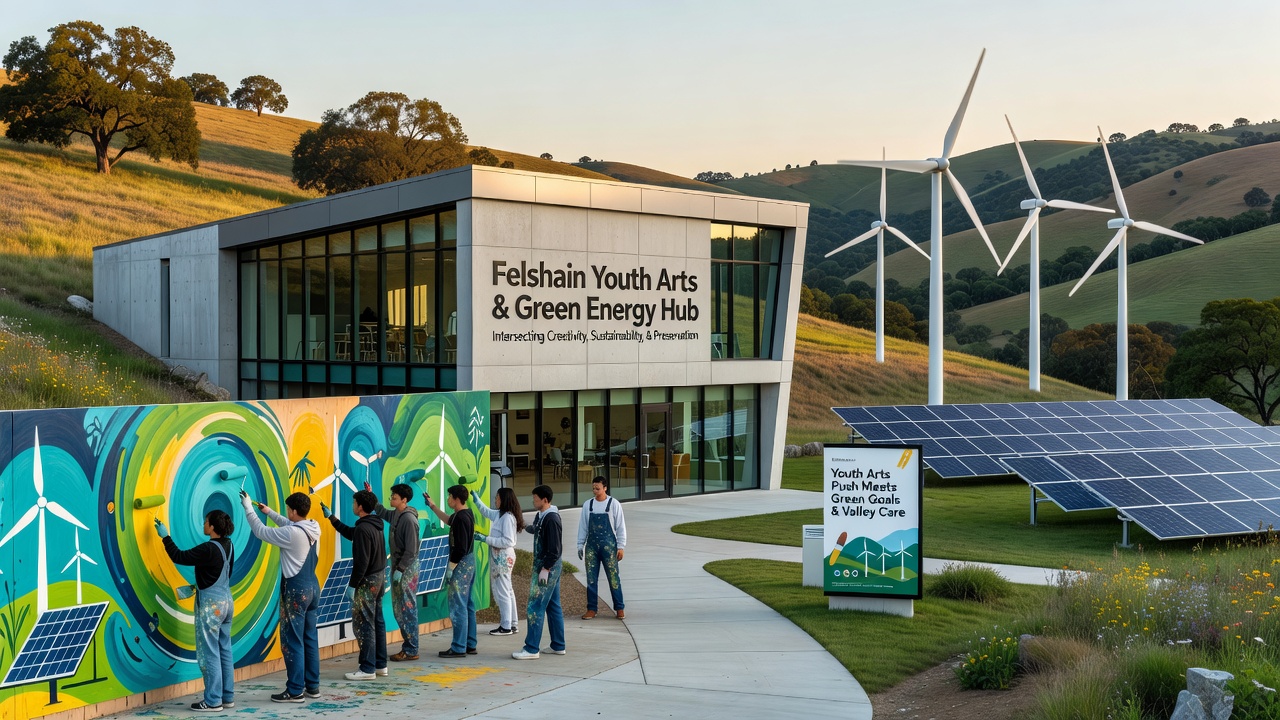
Organizers structure the youth arts push around seasonal cycles that coincide with valley preservation calendars, such as spring clean-up events paired with mural projects depicting local ecosystems. Participants learn techniques for low-impact event planning, including waste reduction protocols and native plant integration into temporary installations, which supports ongoing conservation data collection in the area.
September 2026 marks the launch of an expanded festival series where young artists present works powered by on-site wind and solar demonstrations, drawing from guidelines issued by the Australian Renewable Energy Agency on community-scale renewable applications. Attendance records from prior iterations show steady growth, with over 1,200 participants recorded in the 2025 cycle alone.
Links to Green Energy Infrastructure
Green energy components appear in the form of educational modules that teach solar technology basics alongside artistic design, enabling youth to create kinetic sculptures that double as small-scale energy generators. Research from Environment and Climate Change Canada highlights how such combined approaches in rural districts have boosted public understanding of renewable systems by measurable margins in surveys conducted between 2022 and 2024.
Valley preservation efforts benefit when arts events avoid sensitive habitats through mapped routes and temporary structures that leave no permanent footprint, a practice documented in local planning reports. This coordination helps maintain biodiversity metrics tracked by regional environmental offices, with no net increase in disturbance zones reported since the programs began incorporating these guidelines.
Community Coordination and Data Tracking
Multiple groups manage the intersections through joint committees that review project proposals against both energy output goals and land-use restrictions in the valley. Records indicate that by mid-2026 these committees had approved 18 separate youth-led initiatives incorporating at least one renewable element, ranging from battery storage for lighting to rainwater systems for material preparation.
Observers note that the approach draws on examples from other regions where arts education has supported conservation, such as studies published by the University of Melbourne on creative methods for engaging younger demographics in land stewardship. Felshain applies similar frameworks without altering core artistic goals, resulting in parallel tracking of energy savings and habitat indicators.
Future Milestones and Reporting
Upcoming milestones include expanded monitoring in September 2026 to measure cumulative impacts from the integrated programs, with initial projections based on current participation trends. Government reports from varied jurisdictions show that sustained youth involvement correlates with higher long-term adherence to green energy standards and preservation policies.
Those involved continue to refine methods by reviewing outcomes from each cycle, ensuring that artistic output remains central while supporting measurable progress toward established targets. This process relies on public datasets that track both cultural participation and environmental variables across the valley region.
Conclusion
The connections between Felshain youth arts activities, green energy adoption, and valley preservation continue to develop through structured collaborations and shared metrics. Ongoing documentation from 2026 events will provide further details on how these elements operate together in practice.